Frequently asked questions
What are the opening hours of libraries?
Most libraries in Berlin are open from Monday to Friday, typically from 10:00 am to 8:00 pm. Some libraries may also have reduced hours on weekends. It is recommended to check the specific hours of the library you plan to visit beforehand. During holidays, libraries may have different opening hours or be closed. Make sure to confirm the schedule with the library in advance to avoid any inconvenience. Online catalogs of libraries usually provide up-to-date information on opening hours and any changes in the operating schedule.
How can I borrow books from libraries?
To borrow books from libraries in Berlin, you typically need to have a library card. You can obtain a library card by presenting your identification and proof of address at the library's service desk. Some libraries may also require a small fee for the card issuance. Once you have your library card, you can browse the collection, choose the books you want to borrow, and check them out using self-service stations or by asking the staff for assistance. The loan period for books is usually several weeks, with the option to renew if needed. Keep in mind that there may be limits on the number of books you can borrow at a time, as well as any overdue fines for late returns.
Do libraries offer digital resources and online services?
Many libraries in Berlin provide access to a wide range of digital resources and online services. These may include e-books, audiobooks, digital magazines, music streaming, language learning platforms, and academic databases. You can usually access these resources for free with your library card and password on the library's website. Some libraries also offer access to computers, printers, and Wi-Fi for visitors to use on-site. Libraries often organize online events, workshops, and book clubs, allowing you to engage with other library users and participate in virtual activities.
Can I use libraries for studying and research?
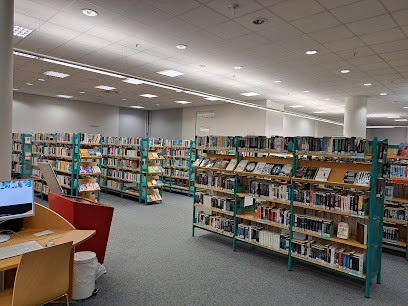
Libraries in Berlin are popular destinations for studying and research, as they provide quiet and conducive environments for academic work. Most libraries have reading rooms, study spaces, and computer terminals that you can use for your research needs. Some libraries also offer specialized collections, archives, and reference services to support researchers, students, and scholars in their academic pursuits. You may need to register as a research user or make advance reservations for certain materials. Whether you are working on a thesis, project, or personal study, libraries can be valuable resources for accessing information, literature, and academic support.
 #1
#1