Frequently asked questions
History of the Berliner pastry
The Berliner pastry has been a beloved treat in Germany for centuries. Originally known as "pfannkuchen," these jelly-filled desserts gained popularity in Berlin during the 18th century. Today, Berliner pastries can be found in bakeries across the city, delighting locals and tourists alike with their sweet taste and fluffy texture. One of the most famous Berliner pastries is the Krapfen which is traditionally eaten on Rosenmontag or Fat Tuesday during Karneval. This delicious pastry is typically filled with jam or custard and topped with powdered sugar, making it a decadent treat for special occasions. Although the exact origins of the Berliner pastry are unknown, many believe that it was inspired by traditional Jewish pastries, such as the Sufganiyah. Regardless of its history, the Berliner pastry has become an iconic symbol of German cuisine and is enjoyed by people of all ages around the world.
Where to find the best Berliner pastries in Berlin
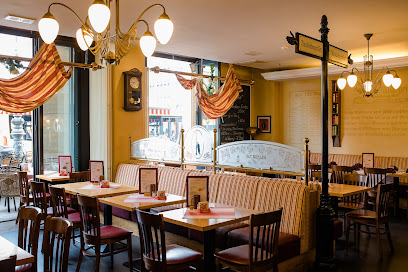
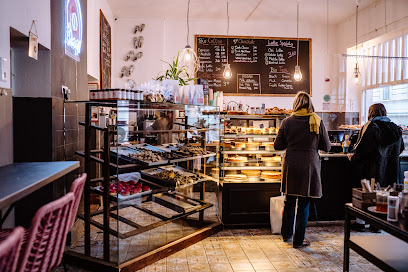
When visiting Berlin, it's essential to try an authentic Berliner pastry from one of the city's renowned bakeries. Some popular locations known for their delicious pastries include: Whether you're exploring the bustling streets of Kreuzberg or strolling through the picturesque parks of Tiergarten, you're sure to find a delicious Berliner pastry to satisfy your sweet tooth. Rogacki: A historic deli and bakery in Charlottenburg known for its fresh pastries and traditional German dishes. Bäckerei Siebert: A family-owned bakery in Prenzlauer Berg famous for its wide selection of pastries, bread, and cakes. Conditori La Glace: A charming café in Mitte that offers a variety of sweet treats, including their signature Berliner pastries.
Are Berliner pastries vegan-friendly?
While traditional Berliner pastries are typically made with ingredients like eggs and butter, there are vegan-friendly options available for those following a plant-based diet. Many bakeries in Berlin offer vegan versions of the classic pastry, using plant-based alternatives to create a similar taste and texture. Some common substitutions used in vegan Berliner pastries include plant-based milk instead of dairy milk, vegetable oil in place of butter, and flaxseed or aquafaba as egg replacers. These modifications allow vegans and those with dietary restrictions to enjoy a delicious Berliner pastry without compromising on flavor. Whether you're a lifelong vegan or simply looking to try something new, exploring the world of vegan Berliner pastries can be a tasty and fulfilling experience during your time in Berlin.
How to make Berliner pastries at home
If you're feeling inspired to recreate the taste of Berliner pastries in your own kitchen, you can try making them at home with a few simple ingredients and a bit of patience. Here's a basic recipe to get you started: Enjoy: Serve your homemade Berliner pastries warm and fresh for a delicious treat that rivals those found in bakeries around Berlin! Ingredients: flour, yeast, sugar, milk, butter, salt, egg, jam or custard for filling. Instructions: Combine the flour, yeast, sugar, milk, butter, salt, and egg in a mixing bowl. Knead the dough until smooth, then let it rise for about an hour. Divide the dough into balls, flatten them into discs, and fill with jam or custard. Fry the pastries in hot oil until golden brown, then drain and coat with powdered sugar. Enjoy: Serve your homemade Berliner pastries warm and fresh for a delicious treat that rivals those found in bakeries around Berlin!
 #1
#1